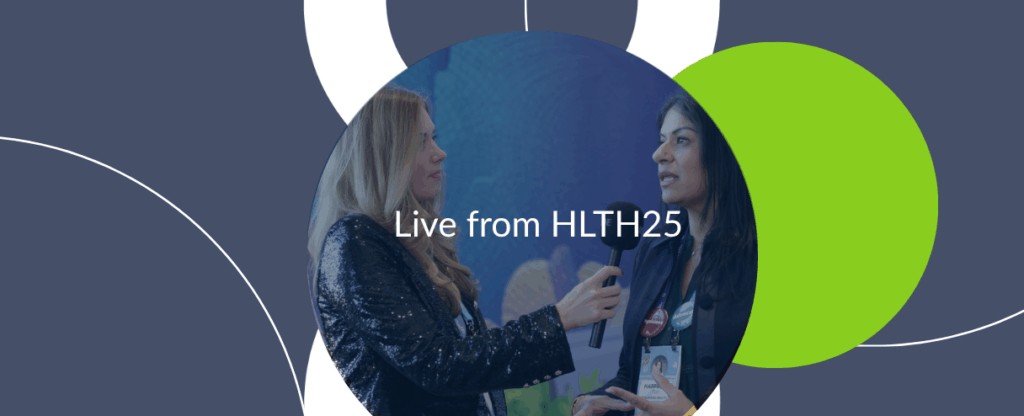
Those of us in healthcare can feel it: the ground is shifting, and transformation is happening live. In 2025, AI went from moonshot to must-have. Retail and tech players continue to disrupt healthcare. Outpatient care surged ahead. And consumers started demanding the clarity and convenience that will define the next decade. This is the moment marketers get to help shape a healthcare system that’s smarter, more connected, and more human than anything we’ve seen before.
At BPD Healthcare, we’re already helping healthcare’s leading brands navigate the next chapter. Our 174 mind-changers and habit-breakers, data miners and needle-movers, strategy mavens and creative maestros spend every day tracking the signals that matter and translating them into real momentum for our clients. Throughout 2025, from conference floors to C-suite conversations, we’ve had a front-row seat to the forces reshaping the year ahead. Here are the trends we believe will define 2026.
1. AI Became Infrastructure. Now it’s Scaling.
2025 marked the shift from “AI pilots” to enterprise-level deployment. At HLTH 2025, we heard from leaders at systems like Houston Methodist and Advocate Health, which have unveiled tools getting meaningful results on operational efficiency and patient outcomes, from predictive monitoring to ambient documentation and cross-system data integration.
Where it’s headed in 2026
Systems will shift from departmental AI to enterprise-wide orchestration. CIOs are already prioritizing integrated AI platforms, data fabric consolidation, safety frameworks, and tool rationalization. Expect leaders to demand proof that tools work across service lines, reduce friction and drive actual results.
What it means for marketers
AI’s expansion creates a new communications frontier. Health systems will need messaging that prepares patients for new AI-driven experiences, equips clinicians with clear explanations, and guides communities through questions about safety, accuracy, and trust. Internally, teams must align on workflow changes and new expectations. This is a pivot point for comms and marketing: the story you tell about AI will influence adoption, confidence, and credibility.
2. Retail Health and Wellness Redefined Access
Retail and tech players rapidly expanded their footprint. Amazon, CVS, Walgreens, and WeightWatchers reshaped access points, with Amazon Pharmacy + WeightWatchers launching a GLP-1 delivery partnership that blended logistics, primary care, and wellness into a single consumer workflow.
Where it’s headed in 2026
Retail will push further into chronic-condition pathways, diagnostics, and at-home care. Expect tighter integration with virtual-first plans and subscription-based wellness ecosystems. The consumer entry point to care will be driven heavily by convenience, digital touchpoints, and trusted brands outside the hospital.
What it means for marketers
Experience is the new battleground. You must position your brand around access, convenience, integration, and trust, not just clinical capability. Your competitors aren’t just other health systems anymore; they’re the platforms people already love using.
3. Outpatient Care as the Core Business Model and is Accelerating
Facing persistent margin pressure in acute settings, systems doubled down on outpatient growth. For example, CommonSpirit redirected investment toward ambulatory and home-based services after continued low acute-care profitability.
Where it’s headed in 2026
Expect aggressive expansion in ambulatory surgery, primary care, diagnostic centers, home health, remote monitoring, and hospital-at-home models. Outpatient sites will become the system’s revenue engine, and the testing ground for consumer-grade experience design.
What it means for marketers
Your messaging must make outpatient care feel connected, coordinated, and convenient. Highlight revenue diversification, care continuity, and ecosystem design. Show how your offerings reduce leakage, strengthen referral pathways, and create systemwide stickiness.
4. Trust, Transparency & Policy Collided
Transparency dominated the year. Mark Cuban’s takedown of PBM opacity, the Cost Plus Drugs + federal partnership, and the launch of real-time claims tools like Optum Real signaled a shift toward open economics. Politics was impossible to avoid. The MAHA movement’s push for food, fitness, and metabolic health policy also stirred debate across the industry in 2025, challenging long-standing incentives and forcing leaders to confront the gap between prevention and reimbursement. Meanwhile, the election cycle pulled healthcare into constant focus—from affordability to accountability—making these conversations impossible to ignore.
Where it’s headed in 2026
Expect sharper scrutiny of pricing, AI oversight, claims accuracy, telehealth flexibility, and preventive-care incentives. Consumers are entering 2026 more skeptical of institutions—from insurers to hospitals to public health—and promises are no longer enough. Regulators are moving in the same direction. Health brands will be pressed to show exactly how they protect data, justify costs, and deploy technology responsibly.
What it means for marketers
Marketing will need to confront distrust head-on: acknowledging complexity, communicating with empathy, and consistently showing value. Campaigns that gloss over nuance or overstate claims will backfire. The brands that win will be the ones whose communications feel human, accountable, and aligned with the real pressures patients and buyers face.
5. Workforce Pressure Intensified, and the Stakes Got Higher
In 2025, the longstanding issues of workforce burnout and shortages collided with the demand for rapid tech adoption, with leaders emphasizing that technology only works if it reduces friction. One shining example: The Permanente Medical Group published learnings from their massive rollout of augmented AI scribes, finding the tools saved nearly 16,000 hours of documentation time, equivalent to almost 1,800 work days, while also improving patient-physician interactions and doctor satisfaction.
Where it’s headed in 2026
Systems will prioritize tools that simplify workflows, reduce cognitive load, and allow clinicians to practice at top of their license. Expect investment in workforce safety, cross-training, virtual nursing, ambient tech, and automation that quietly removes administrative weight.
What it means for marketers
Speak to real human pain points, not abstract transformation. Show how your solution improves the workday, restores capacity, enhances safety, and reduces administrative noise. Marketing that feels grounded in lived clinical reality will outperform anything that feels like tech evangelism.
Are you ready for 2026?
Your work doesn’t stop with external storytelling. With workforce shortages showing no signs of easing, marketing becomes a core lever for recruitment, retention, and culture-building. Candidates and current staff want to see that your organization understands their reality and is investing in tools, support, and environments that make their work sustainable. Clear, authentic communication about how you value and protect your workforce will influence employer brand, morale, and long-term loyalty.
If you’re ready to shape what’s next, we’re ready to build it with you.