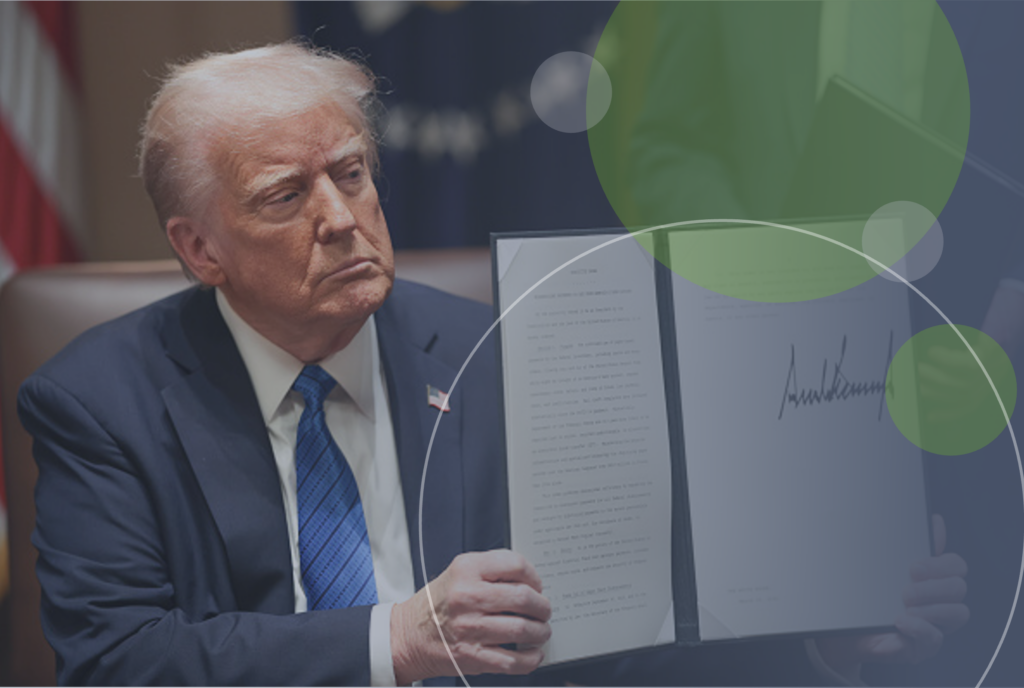
President Donald Trump’s administration has launched a new federal prescription drug pricing initiative called TrumpRx, designed to offer Americans discounted medication prices directly through a government-run website, TrumpRx.gov. The platform went live on February 5, 2026, and is part of a broader strategy to address rising drug costs nationally.
How TrumpRx Works
TrumpRx is not an online pharmacy; it does not prescribe or dispense medications. Instead, it functions as a portal where patients with existing prescriptions can search for discounted prices, navigate to participating manufacturers’ direct-to-consumer websites, or obtain printable pharmacy coupons to secure lower costs at local pharmacies.
The initiative is built on a “Most Favored Nation” pricing model, meaning the United States will pay no more than the lowest price paid for the same drug in a group of other developed countries. This external reference pricing approach aims to align U.S. drug costs with global benchmarks.
Participating Drugs and Discounts
At launch, TrumpRx features more than 40 medications, including:
-
GLP-1 weight-loss drugs such as Wegovy and Zepbound at significantly reduced prices.
-
Diabetes, infertility, HIV, and inhaler medications with steep discounts versus typical U.S. list prices.
-
Discounts on some drugs are reported to reduce monthly costs into the low $100s for products that previously cost over $1,000 per month.
Participating manufacturers include major companies such as Pfizer, Eli Lilly, Novo Nordisk, AstraZeneca, and EMD Serono.
Intended Benefits
The White House argues TrumpRx will:
-
Lower out-of-pocket costs for uninsured and high-deductible patients.
-
Increase transparency around list pricing by showing international price comparisons.
-
Provide a centralized search tool that potentially empowers patients to shop for lower drug prices without insurance.
Administration officials contend the initiative could expand access to medications that insurers often do not fully cover, such as newer GLP-1 drugs, by encouraging direct-to-consumer pricing.
Limitations and Criticisms
Healthcare economists and analysts have raised several concerns:
-
Limited reach for insured patients. Most Americans (over 90 percent) have insurance, whose negotiated prices and rebates often yield lower costs than cash payments even after TrumpRx discounts.
-
Insurance accounting rules may mean TrumpRx purchases do not count toward deductibles, reducing value for those with high out-of-pocket obligations.
-
Critics describe the platform as symbolic or supplemental rather than a structural solution to broader drug pricing issues.
-
Legal questions remain over the long-term viability of the Most Favored Nation model, with opponents noting past versions were blocked in court.
Key Takeaways for Hospital and Health System Leaders
-
Patient Assistance and Navigation – TrumpRx could be another tool for patients who struggle with high drug costs, particularly the uninsured or underinsured; providers and care coordinators should be aware of its existence and limitations.
-
Insurance Interaction – Because purchases via TrumpRx may not count toward deductibles, clinicians and financial counselors should caution patients to compare total costs with their current insurance benefits.
-
Care Access Considerations – Increased access to discounted medications like GLP-1s could have implications for outpatient treatment planning, chronic disease management, and population health efforts.
-
Policy Monitoring – The program is politically driven and may evolve; health system leaders must monitor legal, regulatory, and reimbursement changes that could affect formularies or patient out-of-pocket costs.