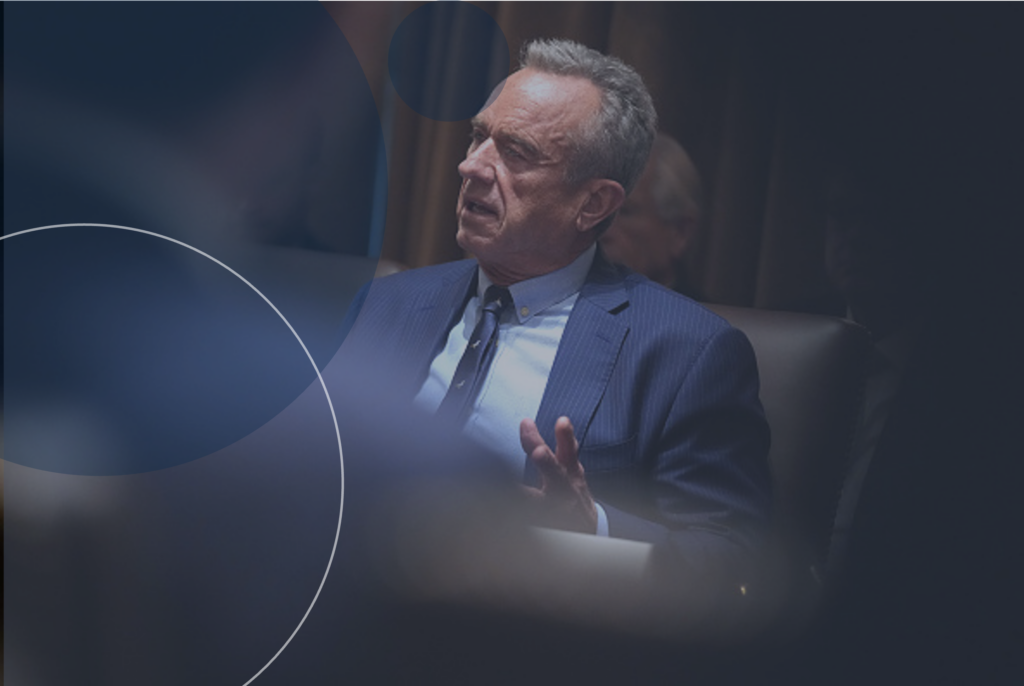
Despite being considered a controversial nomination to lead Health and Human Services, Robert F. Kennedy Jr. brings a background in environmental law and advocacy, having spent decades as an attorney focused on environmental health and public safety. He served as chief prosecuting attorney for the environmental group Riverkeeper and as president of the Waterkeeper Alliance, working on issues related to pollution and its impact on human health. While he lacks direct experience in healthcare administration, his supporters argue that his focus on chronic disease prevention and environmental health aligns with broader public health goals. However, his history of promoting vaccine skepticism has drawn significant criticism from the medical and scientific communities.
As hospital and health system leaders anticipate the upcoming Senate confirmation hearing for Robert F. Kennedy Jr., nominated for Secretary of Health and Human Services (HHS), understanding his positions on key healthcare topics is essential. Kennedy’s perspectives may significantly influence future healthcare policies and operations.
- Vaccine Policies:
Kennedy has a history of vaccine skepticism, having promoted misinformation linking vaccines to autism. However, during his confirmation hearing, he emphasized his support for key vaccines and pledged not to hinder vaccination efforts. Despite this assurance, his past positions raise concerns about potential shifts in vaccination programs and public perception.
- Chronic Disease Focus:
Kennedy aims to address the chronic disease epidemic through his “Make America Healthy Again” agenda, which emphasizes healthier eating and environmental responsibility. He plans to investigate the causes of chronic childhood diseases and assess the impact of various medications. This focus may lead to initiatives promoting preventive care and lifestyle modifications.
- FDA and CDC Reforms:
Kennedy intends to restructure the Food and Drug Administration (FDA) and the Centers for Disease Control and Prevention (CDC). His plans include revising vaccine regulations, removing certain prohibitions, such as those on raw milk and alternative COVID-19 treatments, and eliminating staff associated with what he describes as a “corrupt system.” These reforms could impact regulatory processes and public health guidelines.
- NIH Funding Allocation:
He proposes reallocating half of the National Institutes of Health (NIH) budget toward preventive and holistic health approaches. This shift may affect funding for traditional biomedical research and influence the types of healthcare interventions prioritized.
- Medicare and Medicaid Services:
Kennedy suggests that the Centers for Medicare and Medicaid Services (CMS) should cover gym memberships and healthier food options instead of expensive weight-loss drugs. This approach indicates a potential shift toward preventive measures and lifestyle interventions in healthcare coverage.
Actionable Considerations:
- Vaccine Advocacy: Continue to promote evidence-based vaccine information to maintain public trust and vaccination rates.
- Preventive Health Initiatives: Align organizational strategies with potential federal emphasis on preventive care and holistic health approaches.
- Regulatory Preparedness: Stay informed about proposed changes to FDA and CDC operations to anticipate and adapt to new compliance requirements.
- Funding Strategies: Monitor NIH funding reallocations to identify opportunities for research and program development in preventive health.
By proactively addressing these areas, healthcare leaders can navigate the potential policy shifts resulting from Kennedy’s leadership at HHS.