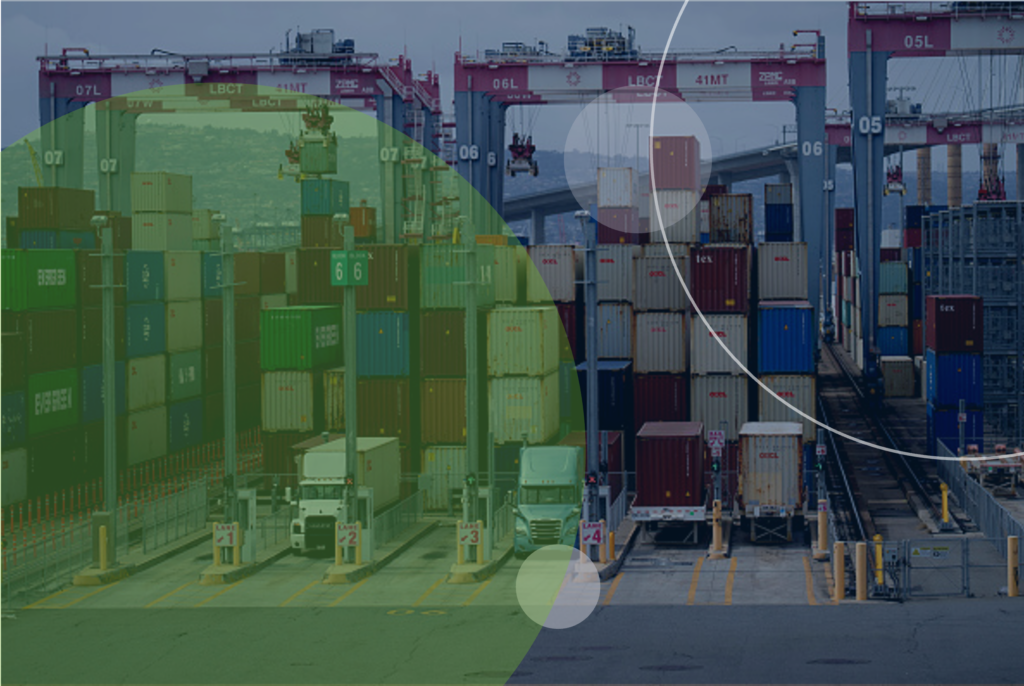
The tariffs enacted by President Trump on April 2, 2025, are expected to have significant impacts on hospitals and health systems, primarily by increasing the costs of imported pharmaceuticals, medical devices, and other healthcare-related goods. These tariffs, imposed on major trading partners like the EU, Canada, Mexico, and China, include substantial increases that could drive up costs in the healthcare sector.
Healthcare providers may see an immediate surge in expenses, with predictions that costs for hospitals and health systems will increase by at least 15% in the next six months due to higher import costs. The increased costs are likely to disrupt supply chains, particularly for medical devices and pharmaceuticals that are crucial for patient care. Many health systems and providers are also anticipating difficulties in procurement processes and contract negotiations due to these increased expenses and pricing volatility.
Moreover, there’s a concern that these higher costs will ultimately be passed on to insurers and patients, which could make care less affordable. Many hospital finance executives surveyed anticipate needing to shift higher costs onto insurers and patients through increased service charges.
In response, organizations like the American Hospital Association and the Healthcare Distribution Alliance are seeking exemptions for essential medications and healthcare-related supplies from these tariffs to mitigate some of these impacts. These groups have emphasized the critical need for these exemptions, particularly for products already in short supply and for which production in the tariff-affected countries supplies a significant part of the U.S. market. In an annex to the executive order signed by President Trump, some pharmaceuticals and pharmacy products were excluded from the tariffs.
Healthcare leaders are advised to prepare by evaluating supply chain vulnerabilities, exploring alternative suppliers, and considering increases in stock where feasible to manage potential disruptions and cost increases effectively.