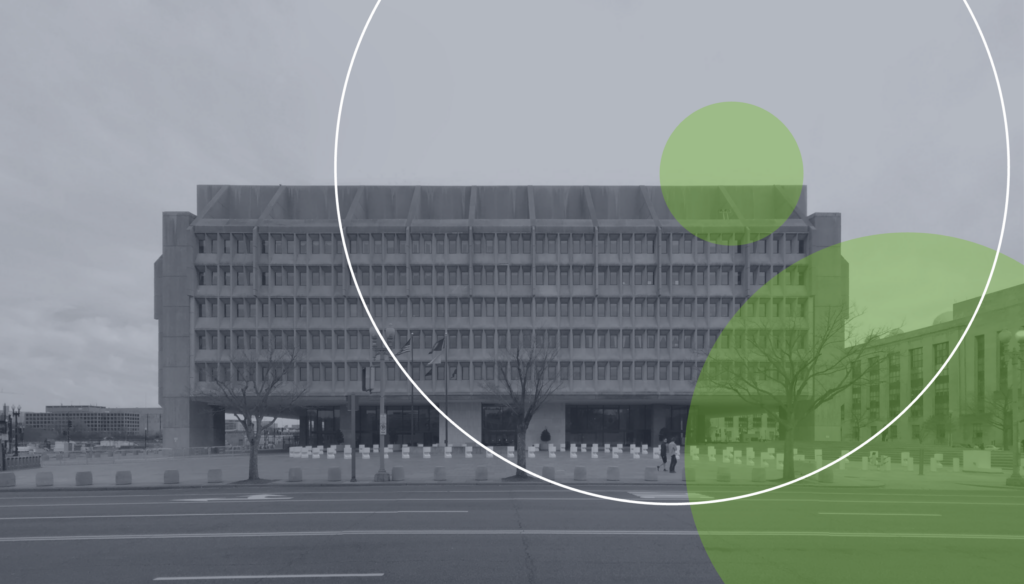
Today the U.S. Department of Health and Human Services (HHS) underwent a significant reduction in force (RIF) as part of a major restructuring initiative. This initiative resulted in the elimination of nearly approximately 10,000 of the 82,000 staff members. The restructuring involved consolidating various agencies and reshaping the organization to better align with new health priorities focused on reducing chronic disease and with an aim of improving efficiency.
Significant changes include the creation of the Administration for a Healthy America (AHA), which merges several existing agencies, including the Office of the Assistant Secretary for Health (OASH), Health Resources and Services Administration (HRSA), Substance Abuse and Mental Health Services Administration (SAMHSA), Agency for Toxic Substances and Disease Registry (ATSDR), and National Institute for Occupational Safety and Health (NIOSH). Additionally, the Administration for Strategic Preparedness and Response (ASPR) was transferred to the Centers for Disease Control and Prevention (CDC) to reinforce its mission.
Several HHS agencies saw direct impacts from the RIF:
- The Food and Drug Administration (FDA) will lose 3,500 employees.
- The Centers for Disease Control and Prevention (CDC) will see a reduction of about 2,400 employees.
- The National Institutes of Health (NIH) will have 3,400 jobs cut.
- The Centers for Medicare and Medicaid Services (CMS) will lay off 300 staff.
Additionally, six regional offices within the Office of General Counsel were closed, reducing the total from ten to four located in Philadelphia, Atlanta, Kansas City, and Denver. About 200 of the 300 employees in these regional offices were laid off.
These changes are part of a broader effort by the Trump administration to streamline government operations and reduce federal workforce sizes, aiming to enhance service delivery at a lower cost to taxpayers.
What it Means for Healthcare
Overall, while the intended goal of the restructuring is to streamline operations and reduce costs, there are concerns about potential negative impacts on health services delivery, particularly in critical areas like drug approval, medical research, cancer treatment, and services for vulnerable populations such as senior citizens. These changes may require careful management to avoid undermining the effectiveness and efficiency of health programs that serve the American public.
At the FDA, while the RIF is said to not directly impact drug or medical device reviewers or inspectors directly, this reduction in staff is likely to slow the administrative processes associated with the approval and oversight of drugs and medical devices. Delays in drug approval processes could slow down the availability of new treatments and impact pharmaceutical companies’ operations and innovation timelines.
With 1,200 positions being cut at the National Institutes of Health (NIH), research into new treatments and medical technologies could face setbacks. NIH is a leading supporter of biomedical research in the U.S., and reductions in staff could impact the management and oversight of ongoing research projects, potentially slowing down advancements in various fields, including emerging and critical health threats.
Although the restructuring aims not to impact services directly related to Medicare and Medicaid, broader reductions in staffing and resources at CMS (which oversees these programs) and the broader organizational changes could affect the quality and efficiency of services that many seniors rely on. Changes in the Administration for Community Living (ACL) and its integration into other agencies might also impact programs designed to support older adults and people with disabilities.