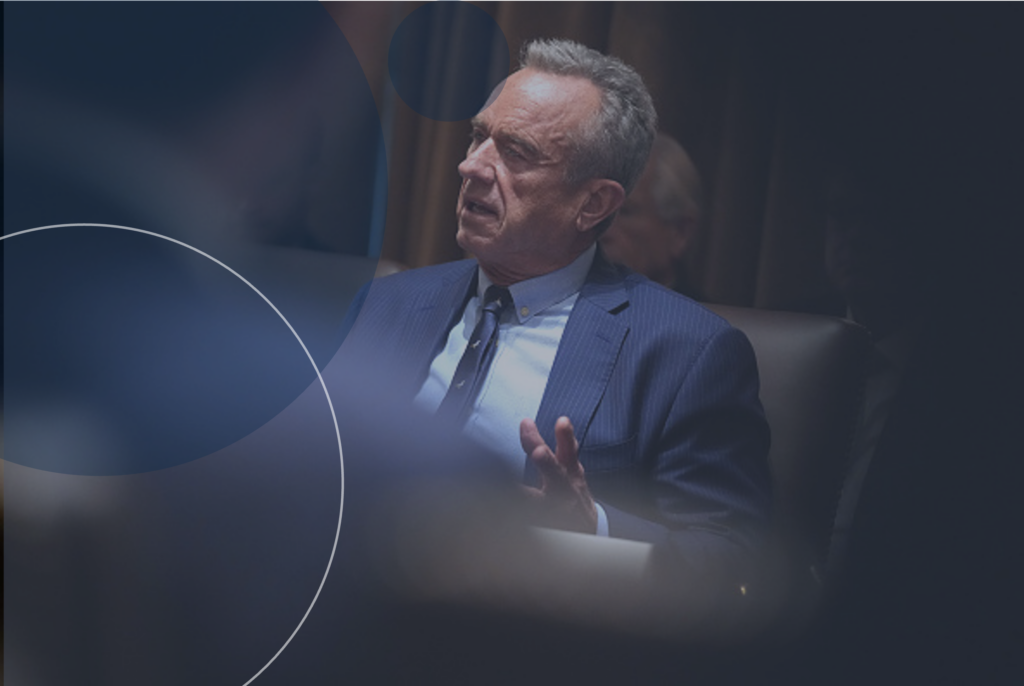
Earlier this week, Robert F. Kennedy Jr., as secretary of the Department of Health and Human Services (HHS), directed the Centers for Disease Control and Prevention (CDC) to remove its long-standing statement that “vaccines do not cause autism.” The revised language on the CDC’s website now characterizes the prior statement as “not an evidence-based claim because studies have not ruled out the possibility that infant vaccines cause autism.”
What changed
• The CDC webpage formerly stated that numerous studies found no link between childhood vaccinations and autism spectrum disorder (ASD).
• Under direction from Kennedy, that language has been replaced (or annotated) with wording that the claim is not evidence-based and that studies supporting a link were “ignored by health authorities.”
• The move reverses decades of public-health consensus and signals a shift in federal vaccine-safety messaging.
Why it matters to hospital and health-system leaders
-
Public trust and immunization confidence: Hospitals and health systems depend on consistent, science-based messaging to maintain strong vaccination uptake. If federal messages complicate that narrative, patient confidence may erode, increasing dropout in routine immunizations.
-
Operational risk: Reduced vaccine confidence can lead to resurgence of preventable diseases (measles, pertussis, influenza). That in turn could elevate hospitalization rates and strain intensive-care capacity.
-
Regulatory and policy implications: This change may foreshadow broader reevaluations of vaccine schedules, advisory panels such as the Advisory Committee on Immunization Practices (ACIP), or other federal guidance under the Trump-Kennedy administration.
-
Communication vulnerability: Mixed signals from the CDC increase the visibility of hesitancy narratives. Health-system communications teams must anticipate patient queries and media attention.