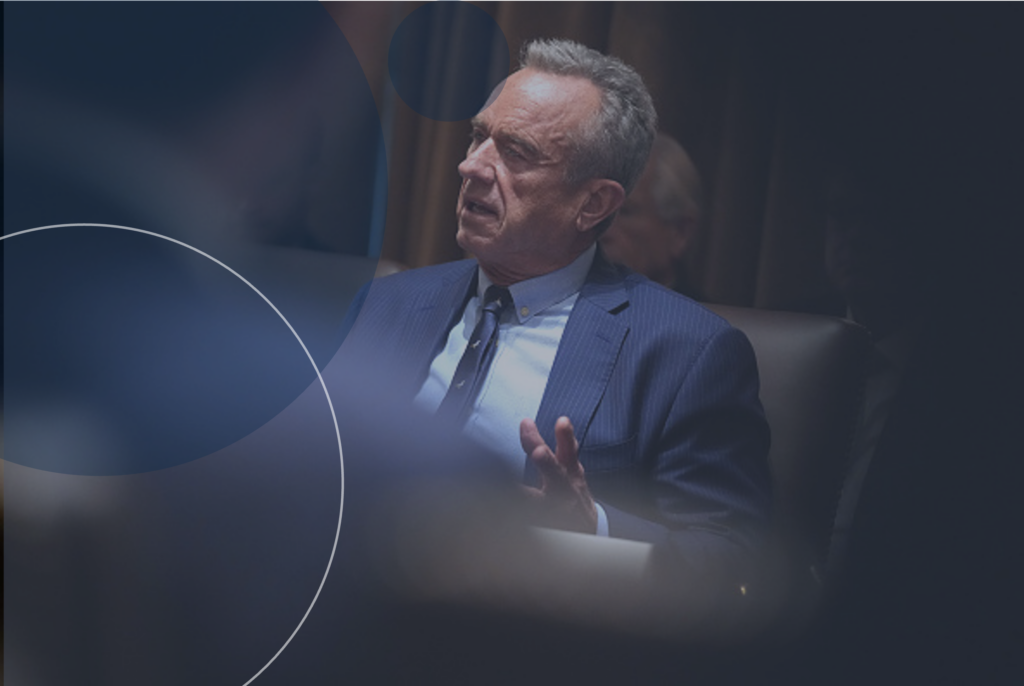
In a series of recent political developments and restructuring within the U.S. Department of Health and Human Services (HHS), key figures and changes are shaping the future of American healthcare policy under the Trump administration. Calley Means, closely associated with HHS Secretary Robert F. Kennedy Jr., is an influential voice advocating for a major overhaul of health and food policies under the “Make America Healthy Again” initiative. This initiative reflects a broader, more controversial approach to health governance that Kennedy and his team are pushing, aiming to drastically reduce what they see as inefficiencies and excessive bureaucracy within HHS.
Yesterday at the POLITICO Health Summit, Means claimed that HHS had “utterly failed” in its mission to improve the health of Americans. He also claimed that HHS has been controlled by industry lobbyists, including the American Medical Association and pharmaceutical lobbying groups. Means also stressed that in healthcare today, the incentives are wrong. He said that it is in hospital’s interests to keep their beds full and for doctors and their pay for service model to have patients with chronic diseases that were never cured. Another speaker, Rep. Vern Buchanan (R-FL), also noted that the fee for service model need to be changed and should instead incentivize outcomes.
For academic medical centers and researchers, there was a marked level of hostility to the research done at those locations. Means called for more research on the root cause of diseases to inform dare models, meanwhile large numbers of NIH researchers were laid off on Tuesday. Means also said that research institutions need to use government funding to do research, and must find efficiencies on the administrative side.
This is a noticeable shift in mentality and messaging coming from the top of HHS and, the current trajectory of HHS under the Trump administration, marked by bold restructurings and a clear pivot towards efficiency and a reduced federal footprint in health care, underscores a pivotal moment in U.S. healthcare policy. At this turning point, it is important for hospitals, health systems, research institutions and doctors themselves to be vocal in what they stand for and why they got involved in medicine.
- Tell compelling stories: This is the time for real stories about real patients, doctors and nurses to be the face of your communications efforts. Their stories should be used persuade audiences about the type of care you offer, the passion your team brings, and how you improve the lives of real people.
- Highlight programs that treat chronic disease with prevention: Where possible, focus on telling stories about preventing or curing chronic disease, not just managing it. There is much skepticism in the MAHA movement about using pharmaceuticals to manage chronic conditions and is seen as a way that the drug companies profit on sickness.
- Reduce overhead costs: Academic medical centers and research institutions must show value wherever possible. Put the research outcomes into perspective by sharing the potential savings of a therapy. Report how overhead costs have been contained or reduced and share clear breakdowns of where the funding goes in the research process.
- Tout medical breakthroughs: The opinion at the top of HHS is that there haven’t been any medical breakthroughs worth mentioning for decades. Hospitals, health systems and researchers must be proactive in highlighting the work that they have done and the real impact on patient lives.
These changes to not only the HHS and its sub agencies, but also to the approach taken to health care in this country as a result of MAHA are poised to have long-lasting effects on how health services are administered and how public health preparedness is handled in the coming years. Hospitals, health systems and researchers must adapt or become a target.