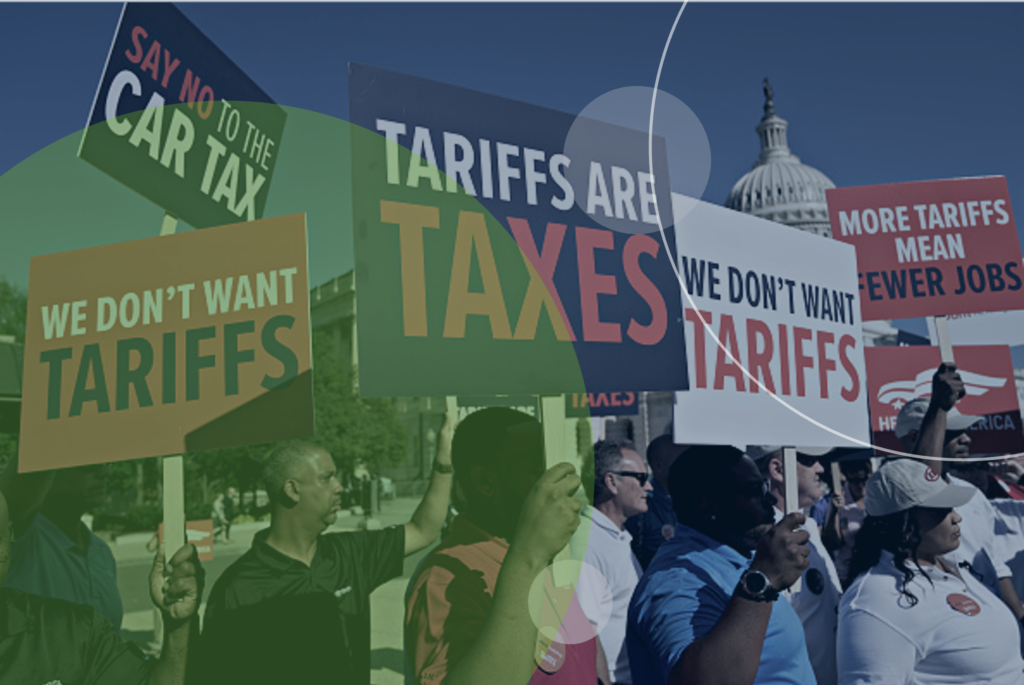
Tomorrow is the day that President Trump has designated as “Liberation Day” – the day he plans to implement retaliatory tariffs on trading partners. This initiative marks a significant escalation in U.S. trade policy, aiming to address what the administration perceives as unfair trade practices by imposing reciprocal tariffs on certain countries that have substantial trade imbalances with the U.S. The Washington Post reports that a blanket 20% tariff on all imports is on the table in addition to more country, product and industry specific tariffs.
The planned tariffs are intended to be more targeted and narrower than previously announced, focusing on countries with major trade deficits such as China, the EU, Mexico, Vietnam, Taiwan, Japan, South Korea, Canada, India, Thailand, Switzerland, Malaysia, Indonesia, Cambodia, and South Africa. Most of these targeted countries are key suppliers of pharmaceuticals and medical devices, instruments and supplies.
These tariffs could have significant impacts on hospital and health systems as many medical products and supplies are imported. In 2024, the value of pharmaceuticals, medical device and instrument imports into the U.S. was substantial. The value of imported pharmaceuticals was a whopping $234 billion and imported medical instruments was $32.6 billion. This reflects a significant market size and continued growth in the demand for medical instruments and pharmaceuticals within the U.S. healthcare sector.
What Hospital Leaders Can Do:
While it is likely too late to stockpile critical supplies, hospital leaders should ensure they are communicating clearly the impact the tariffs have on their ability to care for patients to employees, patients, policymakers and the public. Because tariffs are an additional tax, leaders need to plan where they can find savings in order to make up the additional costs.