
How do you inspire thousands of people to take a health risk assessment?
BPD partnered with Community Health Innovations to tackle the diabetes crisis with a thorough research study and a culturally-relevant creative campaign.
THE IMPACT
2,800
Interactive Health Risk Assessments completed within the first 3 months.
115
Direct enrollments secured for the local hospital Diabetes Prevention Program.
3:19
Average minutes on Spanish-language site pages, signaling extreme engagement.
+978%
Increase in CTR performance benchmark on campaign email sign-ups (with a +59% lift in Open Rates).
THE CHALLENGE
Changing the story behind California’s highest diabetes rate
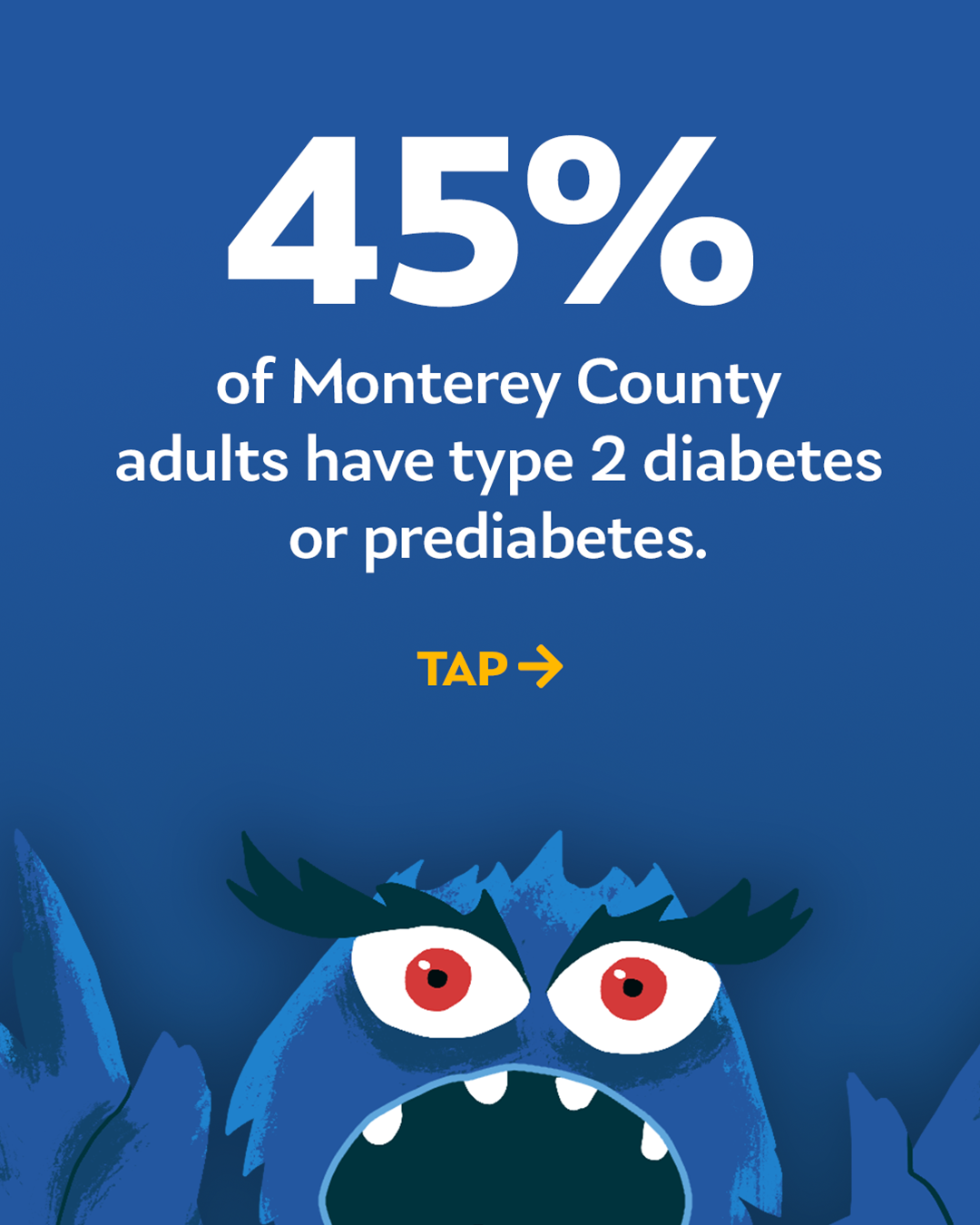
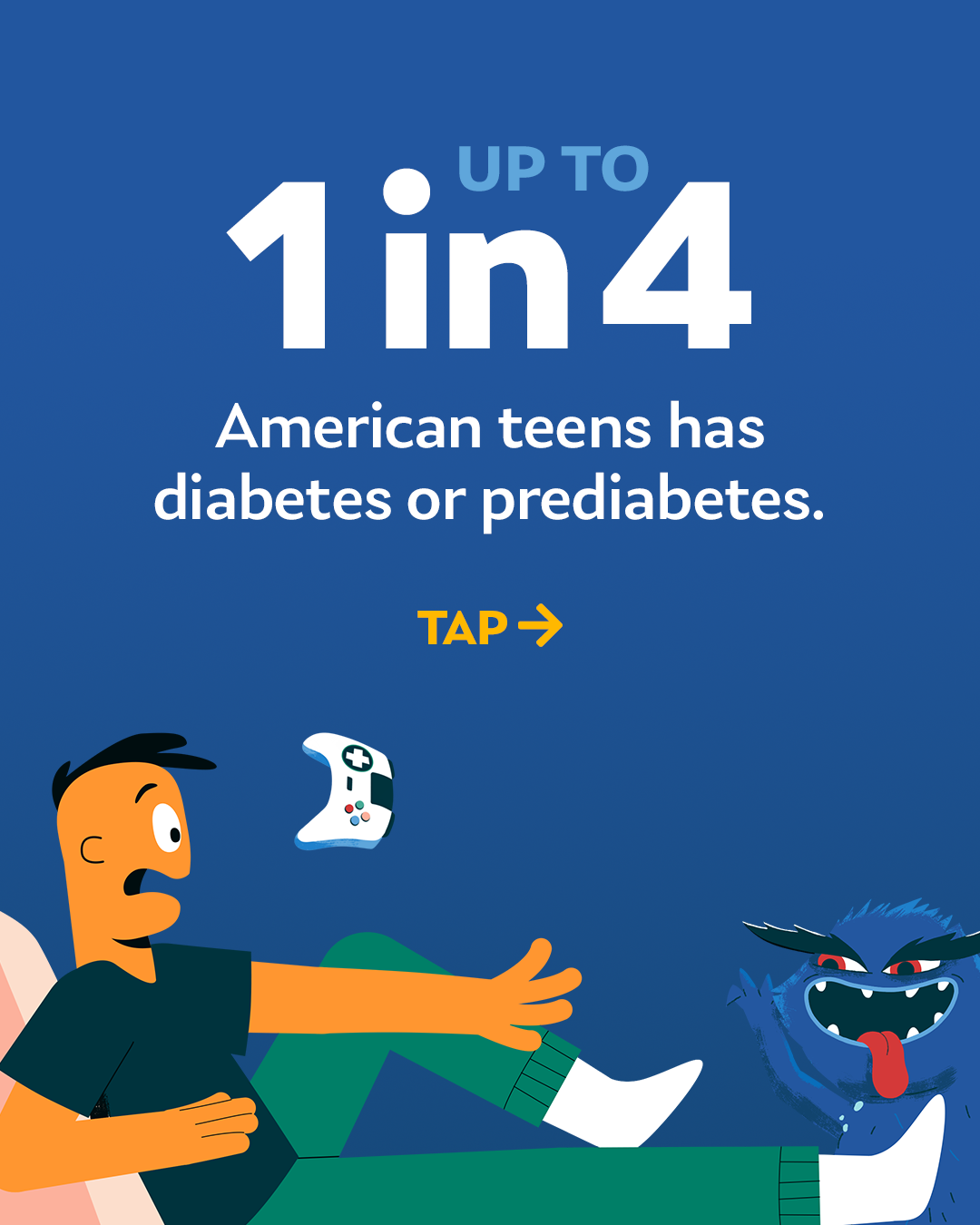
Monterey County has the highest diabetes rate in California, with nearly half of its residents living with type 2 diabetes or pre-diabetes. Because diabetes is deeply influenced by family dynamics, culture, and geographic environment, simply raising standard awareness was not enough. Widespread misinformation heavily clouded the community—specifically a prominent myth that type 2 diabetes only impacts older adults. We needed to jolt residents out of complacency, correct cultural misconceptions, and drive measurable health prevention actions.

OUR APPROACH
We began with deep ethnographic and community research.
Diabetes is a complicated disease influenced by family, culture, and place. Bringing down the rate of diabetes in Monterey meant understanding the people who live there, and tracing the connections between people’s lives and their health. We traveled across Monterey County to conduct ethnographic studies, speaking with people in their homes, at work, and the local foodbank. Those conversations let us see beyond the obvious to understand what drives decisions that affect their health. We then cross-referenced our field research with demographic data to build custom community personas, and then mapped out where residents lived their daily lives, to surgically target media touchpoints.
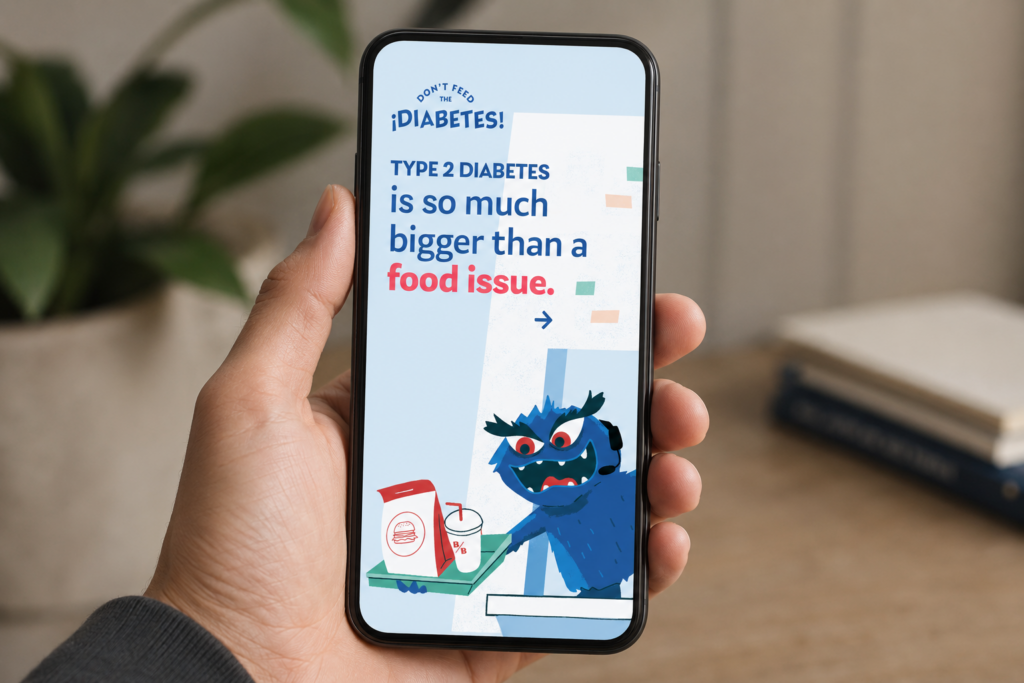
We challenged folks to “Think again.”
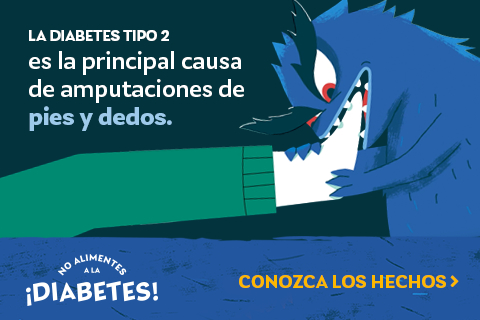
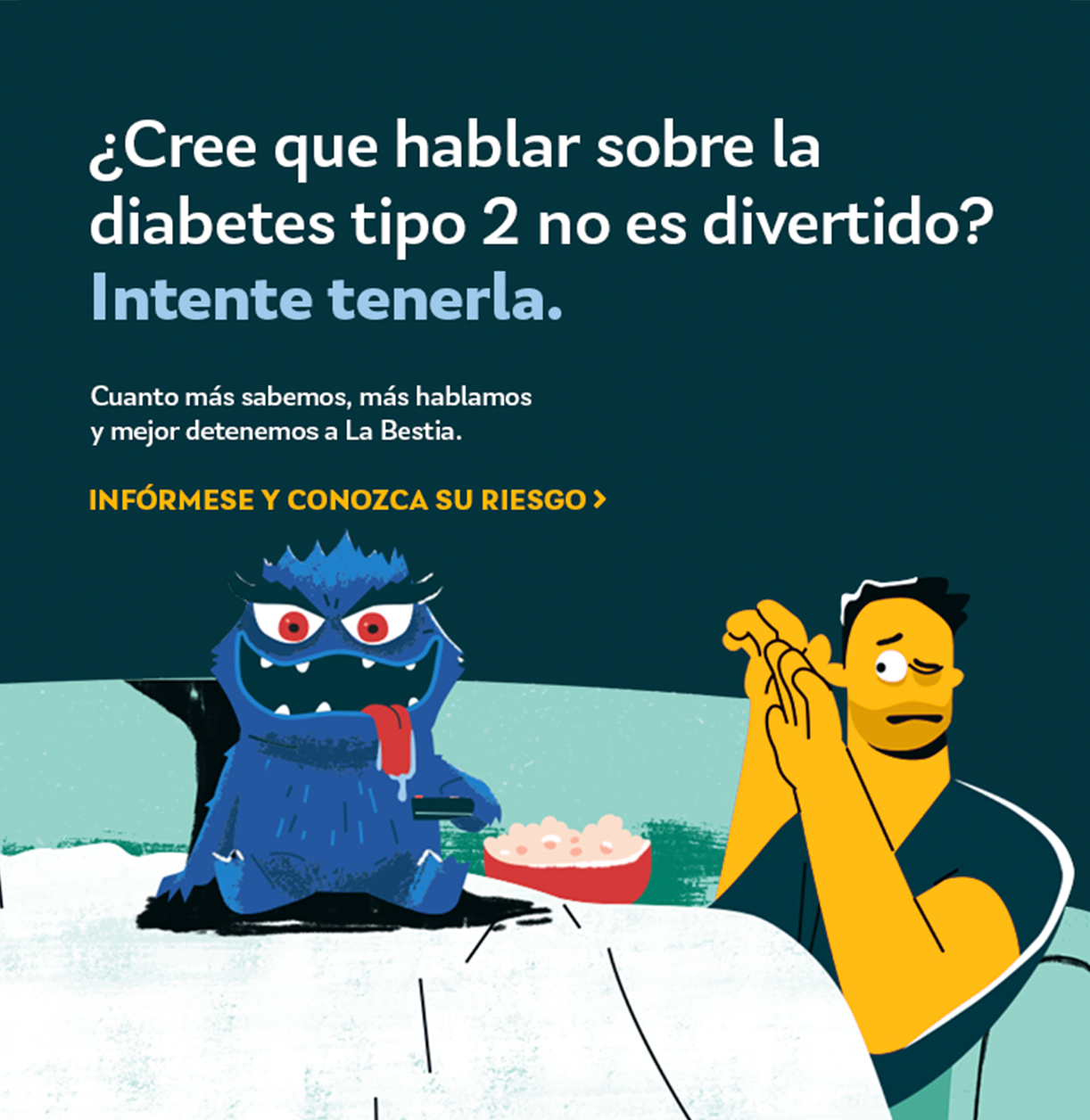
Research revealed that misconceptions about diabetes were a major barrier to prevention, and that inspired the campaign’s central message: “Think you know diabetes? Think again.” To make the often-invisible threat of type 2 diabetes impossible to ignore, BPD created “The Beast”—a ravenous blue monster that personified the disease. Both scary and humorous, The Beast grew with unhealthy choices and shrank with healthier ones, transforming a complex health risk into a memorable, visual symbol that motivated people to take action.
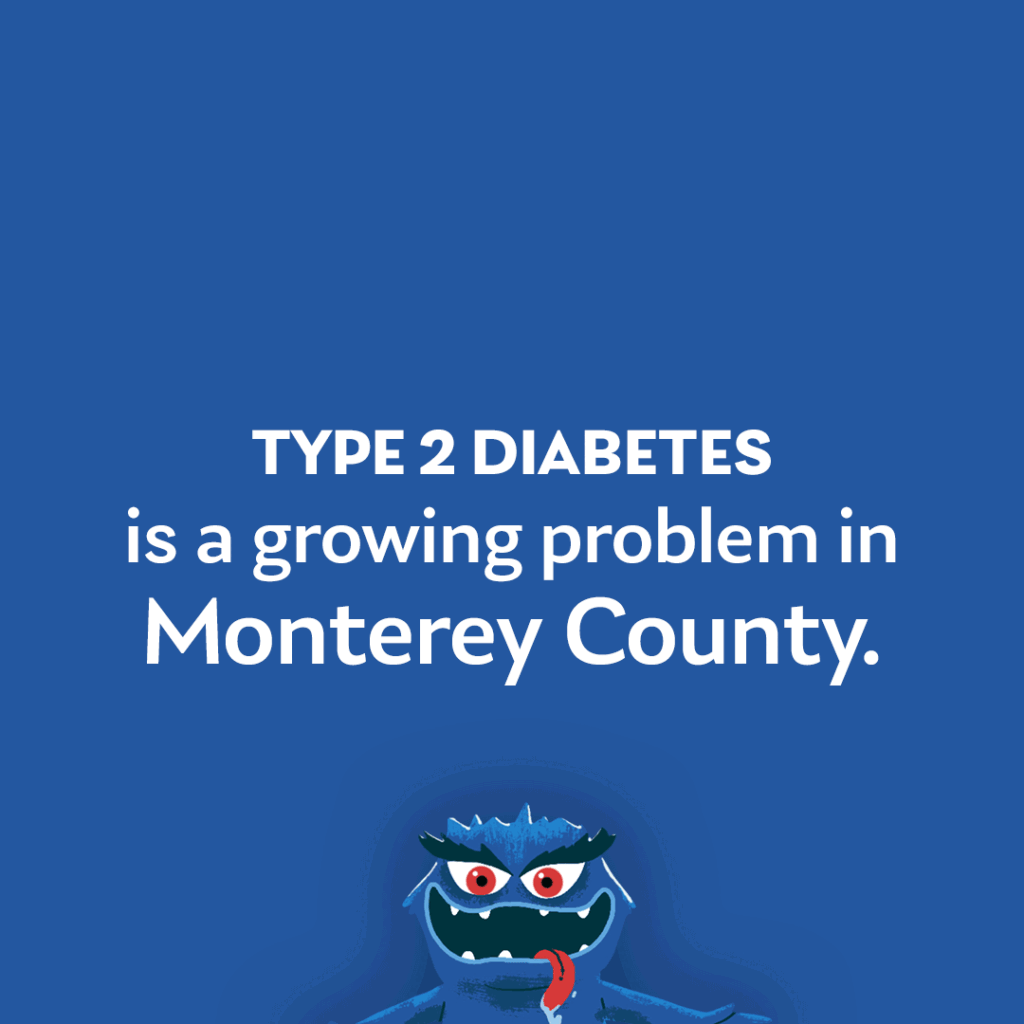
Synchronized targeting raised awareness and spurred action.
We seized one of the biggest cultural moments of the year – the Super Bowl – to urge people to have an honest conversation about their health. And BPD orchestrated a highly synchronized full-funnel media strategy that moved Monterey residents from awareness to clinical action. Broadcast TV, and radio created broad visibility and urgency, while precision-targeted mobile, streaming, display, and paid social reinforced the message among high-risk audiences. Paid search captured intent at the moment of decision, driving users to a campaign microsite where educational resources, personal risk assessments, and direct links to local hospital prevention programs transformed interest into measurable engagement and conversion.
Culture was the ultimate strategy.
For authentic connection with the 59 percent of Monterey County identifying as Latino, the campaign was fully trans-created—not simply translated—by BPD’s in-house native Spanish speakers. Every bilingual touchpoint incorporated culturally resonant imagery, authentic family storytelling, and an original Spanish animated song to build trust and relevance. The campaign microsite featured real local families who had “beaten The Beast,” showing how small lifestyle changes could reduce diabetes risk without sacrificing cherished foods, traditions, or cultural identity.
Creative activations
Our work works.