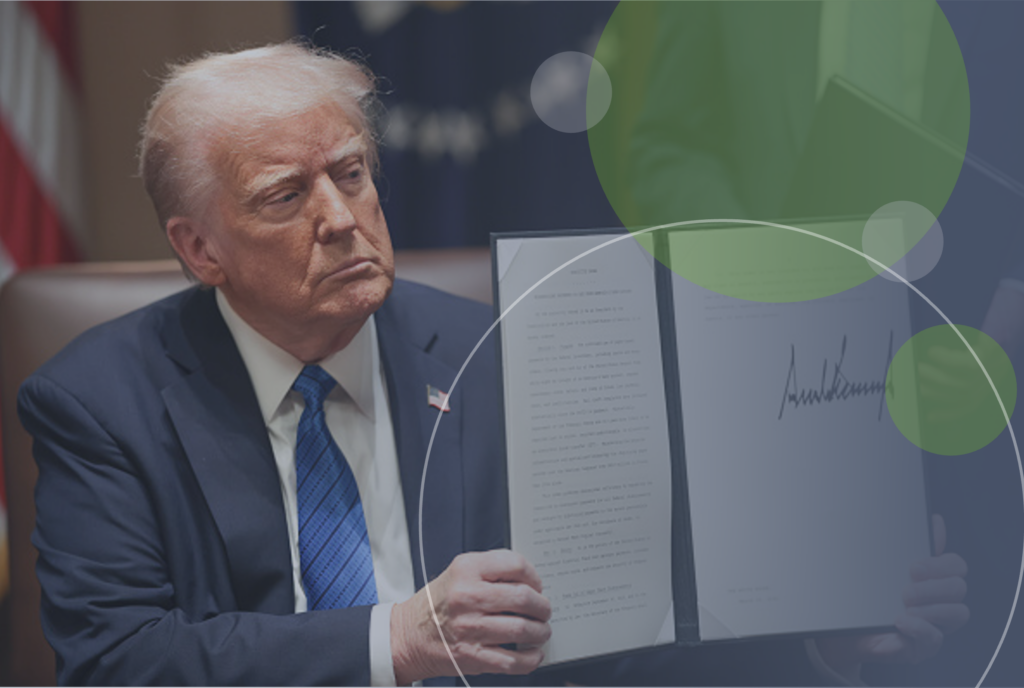
The Trump administration’s move to impose a $100,000 fee for H-1B visa applications has sparked alarm across corporate America, including hospitals and health systems that rely on international physicians and residents to staff critical shortage areas. While the White House has since clarified that the fee will apply only to new applications—not renewals—and that current visa holders may still travel freely, the episode underscored the volatility of policymaking in Washington and its ripple effects across the health sector.
For hospitals, the H-1B program remains a lifeline. More than 76 million Americans live in areas with federally designated primary care shortages, and international medical graduates make up nearly a quarter of U.S. residents . The White House has signaled that physicians and medical residents may be exempted from the fee, a potential reprieve for hospitals in rural and underserved areas. Still, health systems such as Mayo Clinic, Cleveland Clinic, and Henry Ford Health are evaluating how the policy could reshape their workforce pipelines and costs.
The broader business community continues to wrestle with the implications. The U.S. Chamber of Commerce has warned of impacts on employers and families, while venture capitalists caution that startups cannot absorb such costs. At the same time, some industry leaders, such as Netflix co-founder Reed Hastings, have praised the policy as a way to ensure visas go to “very high value jobs.”
Internationally, the move has already complicated U.S.-India relations. About 70 percent of H-1B holders are Indian citizens, and the Indian government has warned of “humanitarian consequences” tied to family disruptions. Shares in Indian tech outsourcing firms dropped after the announcement.
Key Takeaways for Hospital Leaders
-
Exemptions remain critical: Physicians and residents may be spared, but hospitals should not assume all clinical or research roles will qualify.
-
Budget for uncertainty: Even if exempted, the policy signals a new era of unpredictable immigration costs. Leaders should model different workforce scenarios.
-
Engage in advocacy: National groups such as the AMA and AAMC are voicing concerns. Hospital executives should add their voices, particularly around rural and underserved needs.
-
Monitor global ties: Diplomatic tensions—especially with India—could influence the availability of international physicians, researchers, and medtech partnerships.
The White House maintains that these reforms are meant to discourage “system spamming” and protect American wages. But for hospitals already straining under workforce shortages, the policy reinforces the need to stay agile, advocate vigorously, and prepare for continued uncertainty.